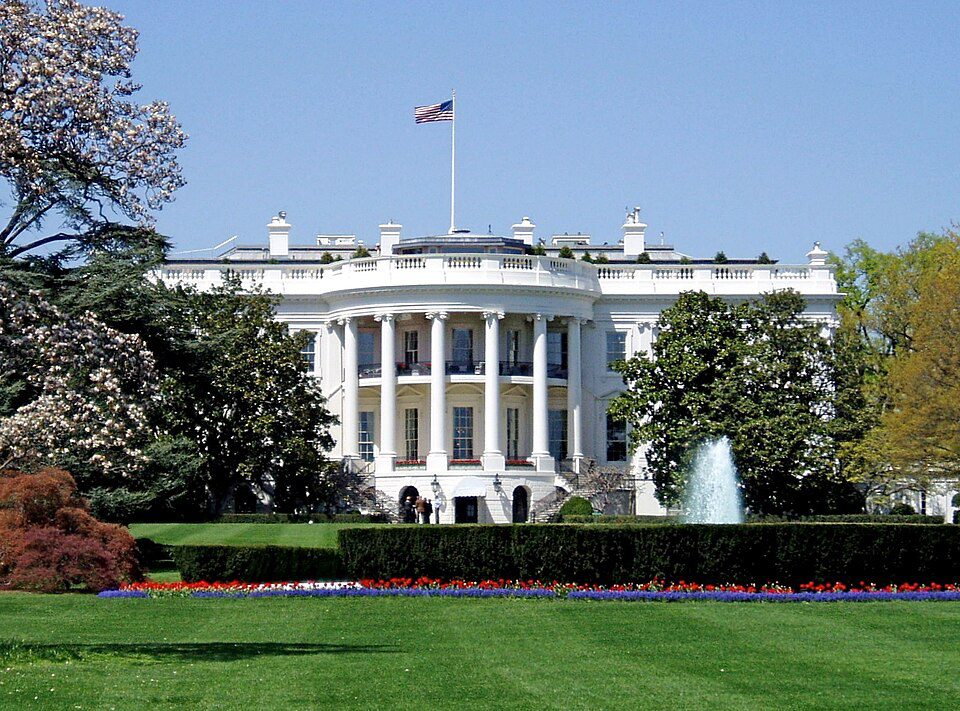
The United States administration has significantly escalated its regulatory offensive against corporate immigration practices, barring Microsoft, Adobe, and several leading IT outsourcing corporations from the Permanent Labor Certification (PERM) program. Vice President J.D. Vance announced the executive measure during a White House briefing, characterizing the extensive reliance on foreign high-skilled labor as a systemic circumvention of statutory protections designed to safeguard domestic workers.
Targeted Suspensions and Workforce Allegations
Under direct instructions from federal authorities, the US Department of Labor has frozen all pending labor certification filings and announced that no new applications will be admitted for the designated entities. Alongside Microsoft and Adobe, the ban impacts prominent technology outsourcing firms including Infosys, Cognizant, Wipro, and HCL.
Federal officials singled out Microsoft’s corporate employment records, alleging that the technology giant terminated approximately 6,000 American employees over the past year while securing roughly 6,300 H-1B specialized visas and nearly 3,000 permanent residency cards (green cards). Vance argued that this practice resulted in an effective displacement ratio of one and a half foreign professionals for every domestic job eliminated.
Structural Scrutiny on High-Skilled Immigration
The Permanent Labor Certification program serves as the essential legal conduit enabling employers to sponsor non-immigrant visa holders—chiefly H-1B recipients—for permanent residency status in the United States. Department of Labor data indicates that the sanctioned group of firms has requested nearly three million foreign workers since 2009, securing in excess of 230,000 H-1B authorizations and over 100,000 permanent certifications.
The regulatory crackdown exposes a persistent philosophical divide across the political and corporate spectrum. While «America First» policymakers maintain that high-volume visa utilization suppresses domestic wages and displaces national engineering talent, prominent technology figures and corporate leaders contend that statutory caps constrain access to critical technical expertise that remains scarce within the domestic labor market.
Escalating Regulatory and Financial Pressures
This administrative freeze marks the latest step in a multi-pronged strategy to reshape legal immigration pathways for specialized labor. Following judicial rulings that struck down an earlier executive attempt to levy a $100,000 fee on H-1B petitions, the Department of Homeland Security recently published an alternative regulatory proposal establishing a $103,000 surcharge grounded in different statutory powers.
Simultaneously, federal authorities have set their sights on post-graduate labor pipelines, tabling a proposed $70,000 institutional fee to be assessed on academic institutions for every international student transitioning into US employment through the Optional Practical Training (OPT) program.
