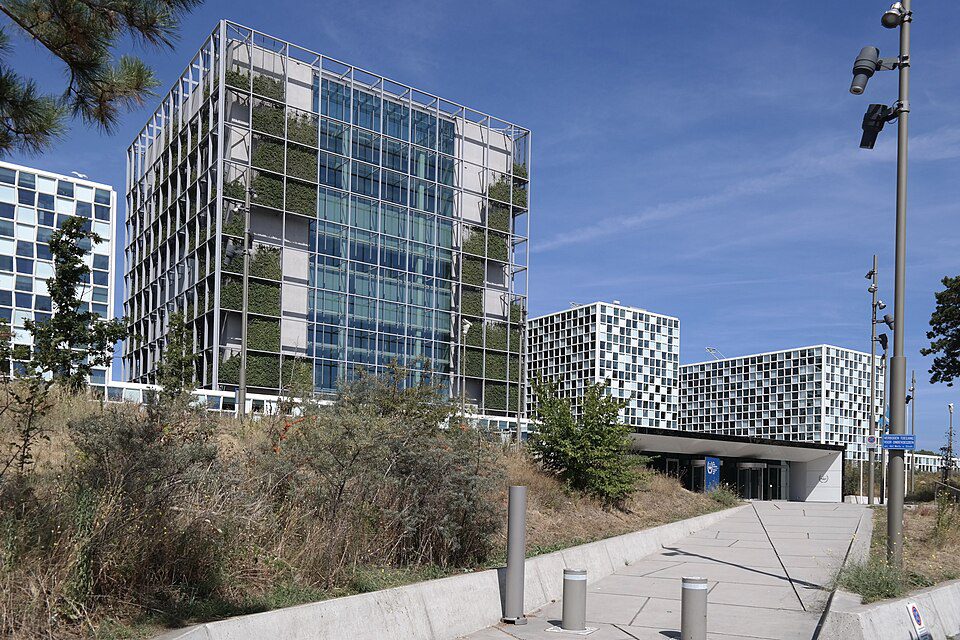
In a move that significantly deepens the jurisdictional rift between the United States and global justice institutions, the U.S. administration has unveiled a comprehensive package of financial sanctions targeting the International Criminal Court (ICC) in its entirety. This broad economic blockade escalates previous restrictions that were limited to specific prosecutors and judges, framing an unprecedented diplomatic confrontation.
U.S. Secretary of State Marco Rubio justified these stringent measures as a preemptive defense of American sovereignty. In a stark warning to the international tribunal, Rubio declared that the U.S. would financially asphyxiate and dismantle the court «piece by piece» should it attempt to prosecute American citizens, including military personnel and border enforcement agents. From a strictly legal standpoint, the United States is not a state party to the Rome Statute and does not recognize the court’s jurisdiction. Currently, the ICC has no active indictments against any U.S. nationals.
The Nobel Catalyst and the Backlash from Israel
The timing of Washington’s diplomatic offensive closely follows the Norwegian Nobel Committee’s decision to award the 2026 Nobel Peace Prize to South African jurist Navi Pillay. Pillay, who served as an ICC judge for over a decade before becoming the UN High Commissioner for Human Rights, has been a prominent and polarizing figure in international human rights law.
The Nobel announcement triggered an immediate and fierce institutional backlash from Israel. Prime Minister Benjamin Netanyahu’s office—who currently faces an active ICC arrest warrant related to the conflict in Gaza—condemned the award, accusing the Nobel Committee of losing its «moral compass.» Tel Aviv authorities heavily criticized Pillay’s past leadership in UN investigative commissions and accused her of shielding and legitimizing the current ICC prosecution leadership amid recent internal controversies.
European Union Vows to Shield the Court
The extraterritorial nature of the new U.S. sanctions poses a direct legal and economic challenge to European nations that uphold the international tribunal. In response, the European Union has swiftly condemned Washington’s actions, reaffirming its unwavering commitment to the Rome Statute.
EU officials have pledged to implement all necessary legal and economic countermeasures to ensure the ICC’s independent operation. Furthermore, Brussels warned that it is prepared to actively shield European economic operators within the single market from any U.S. financial retaliation stemming from their cooperation with the Hague. Meanwhile, ICC Deputy Prosecutor Nazhat Shameem Khan stated that the tribunal will not be deterred by external threats and will proceed with its judicial mandate independently.
